


It should allow for “greater incentives to provide paid leave so workers can care for a newborn or other family member or recover from a serious illness without sacrificing their financial security,” Bessent also said, adding that the guidance released Wednesday “provides employers with the clarity they need to claim the enhanced credit, supporting American workers, families, and businesses.”
IRS Chief Executive Officer Frank Bisignano said in a statement that “changes enacted by the Working Families Tax Cuts will make more employers eligible for the credit and give them more ways to offer this benefit to their workers.”
A 2023 study of Organisation for Economic Co-operation and Development (OECD) countries, including the United States, found that on average, new mothers receive around 19 weeks of paid maternity leave, while several countries provide full payment during leave.
RELATED STORIES

Surging US Treasury Yields Send 30-Year Mortgage Rate to 6.58 Percent
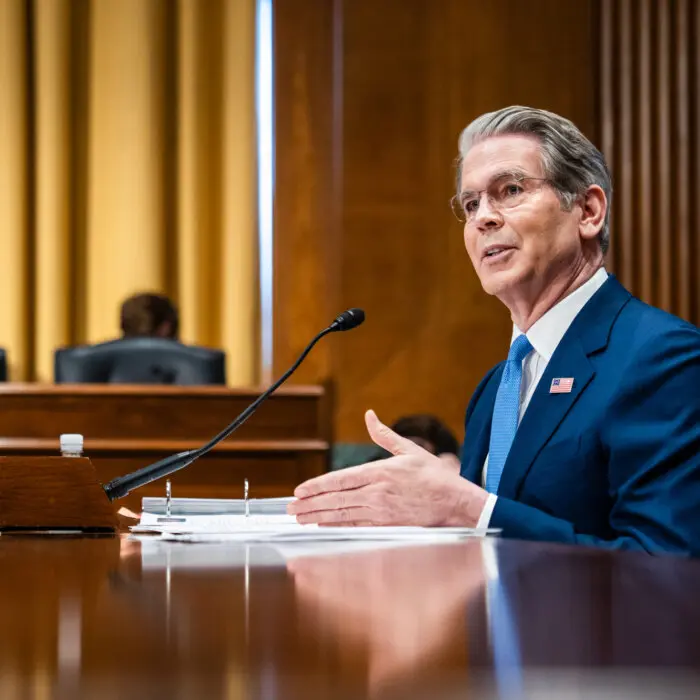
Treasury Intercepted $99 Million in Federal Payments to Deceased People, Bessent Says
The United States is the only member of the 38-nation organization without a paid family and medical leave requirement, according to the research paper from Syracuse University.
More states and cities also are requiring paid sick time. Eighteen states, including the District of Columbia, have laws requiring paid sick time, according to a Congressional Research Service report released earlier this year.
The Trump administration’s policy seeks to use tax incentives to encourage employers to bear the cost, rather than the federal government, and has long been championed by Sen. Deb Fischer (R-Neb.). Fischer noted in a statement earlier this year that she was able to shoehorn in the initial paid family and medical leave policy in the 2017 tax cut act.
According to the Treasury Department’s Aug. 5 statement, employers and business owners can get the credit for employees who have worked there for at least six months. Part-time employees have to be working at 20 hours or more per week, it added.
Employers can also obtain the credit on insurance premiums for leave or wages during the leave time, while “employers can count leave provided under state or local mandates toward the eligibility for this federal tax credit, but not toward the credit calculation,” it said.
The policy stems from Trump’s recently enacted One Big Beautiful Bill Act, which expanded the paid leave tax credit as part of the broader tax and immigration package. The Working Families Tax Cuts is another name for the bill, which Trump signed into law in July 2025.
Source
Diem ‘Richard’ Nguyen